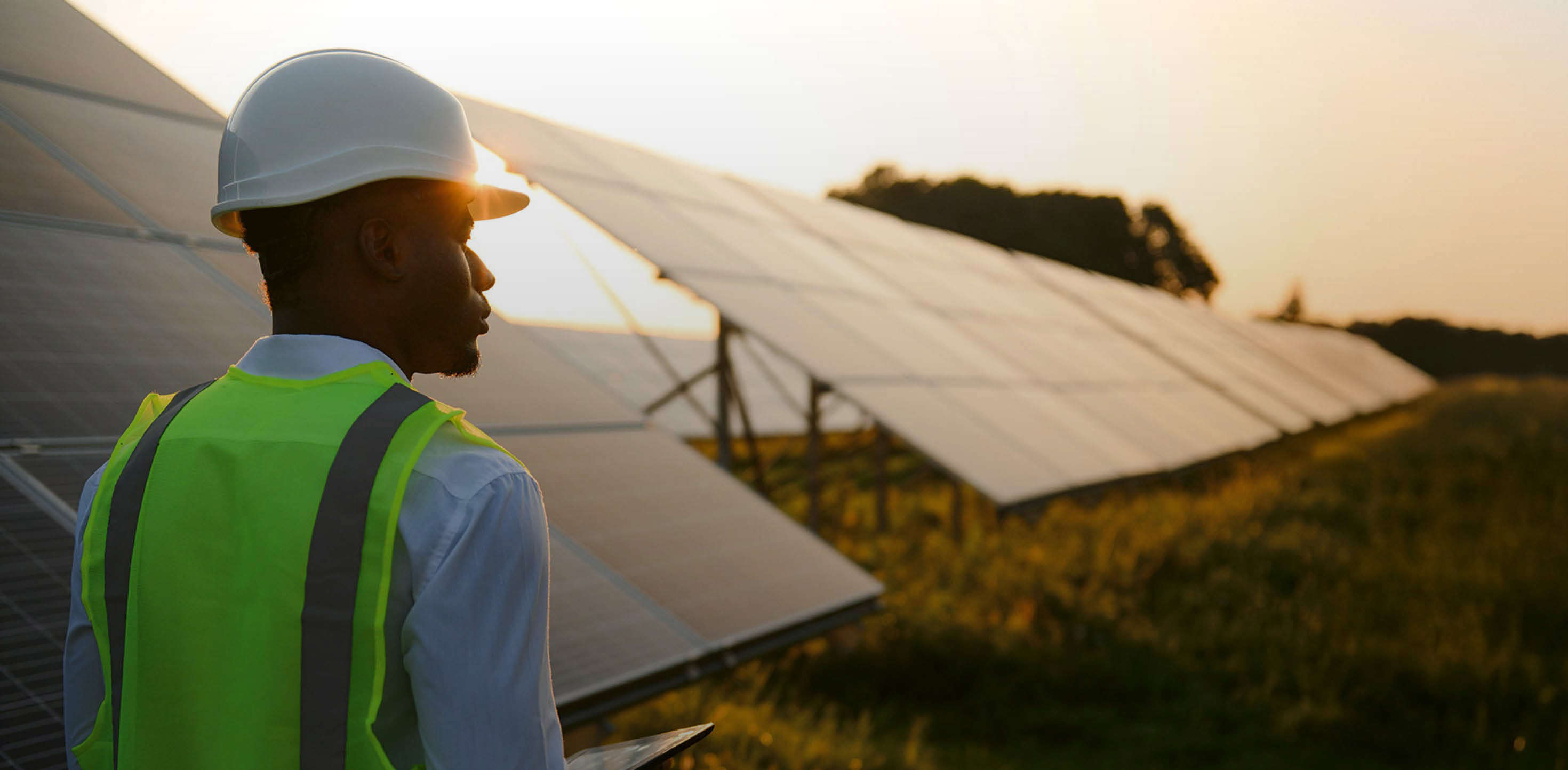
When Zambia’s energy crisis reached breaking point in late 2024, with residents enduring over 18 hours of daily load shedding, a desperate phone call on a Friday night would spark one of Africa’s most innovative energy financing deals.
READ TIME: 6 MIN

Key takeaways:
1. Innovative financing and collaboration were critical to resolving Zambia’s energy crisis.
2. The solution involved five parties: GreenCo, Standard Bank, two national utilities, and a large mining company.
3. A mutual recognition of the urgency and commitment meant that the deal was concluded within weeks.
Zambia, which derives 85% of its electricity from hydropower, was experiencing one of its worst droughts on record. Reservoir water levels had plummeted and the country’s national utility could generate just 30% of its normal capacity. The economic impact was devastating – GDP growth projections dropped from 4% to 1.2% as mines faced potential shutdowns and residential areas struggled with minimal supply. This prompted President Hakainde Hichilema to declare a national emergency in August 2024, protecting utilities from litigation while opening pathways for emergency solutions. Responding to the situation, a late-night conversation took place between GreenCo and Standard Bank Corporate and Investment Banking (CIB). What emerged was a transaction that would not only alleviate immediate power shortages, but also win the IJGlobal Market Impact Award (Africa) for 2024.
Trading electricity today for electricity in the future
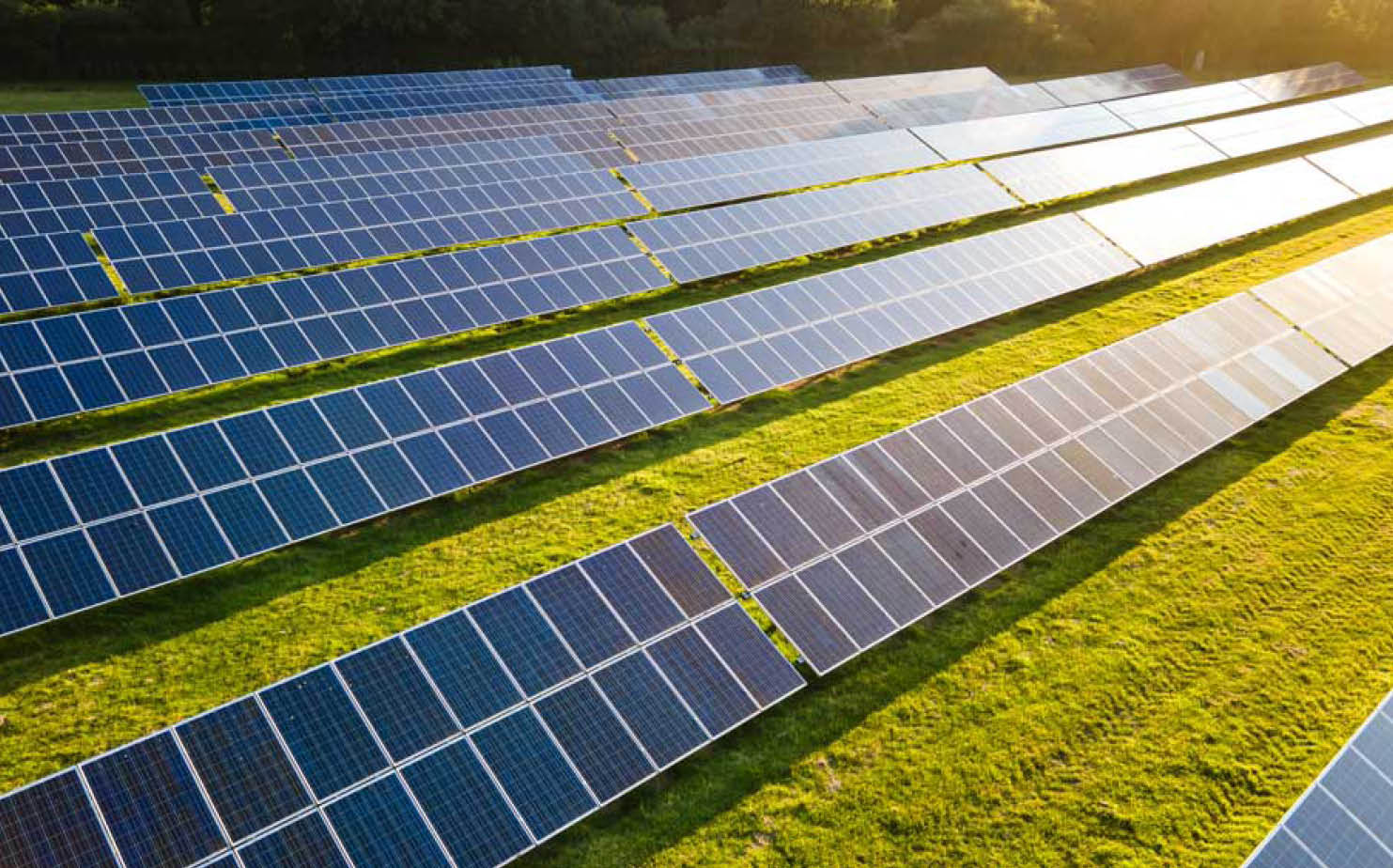
The solution centred on “banking and unbanking electrons”, which applies traditional banking principles to electricity trading.
At its core was a USD55.5 million receivables-backed facility that would enable GreenCo to import over 130 MW of electricity from a South African power utility for four months.
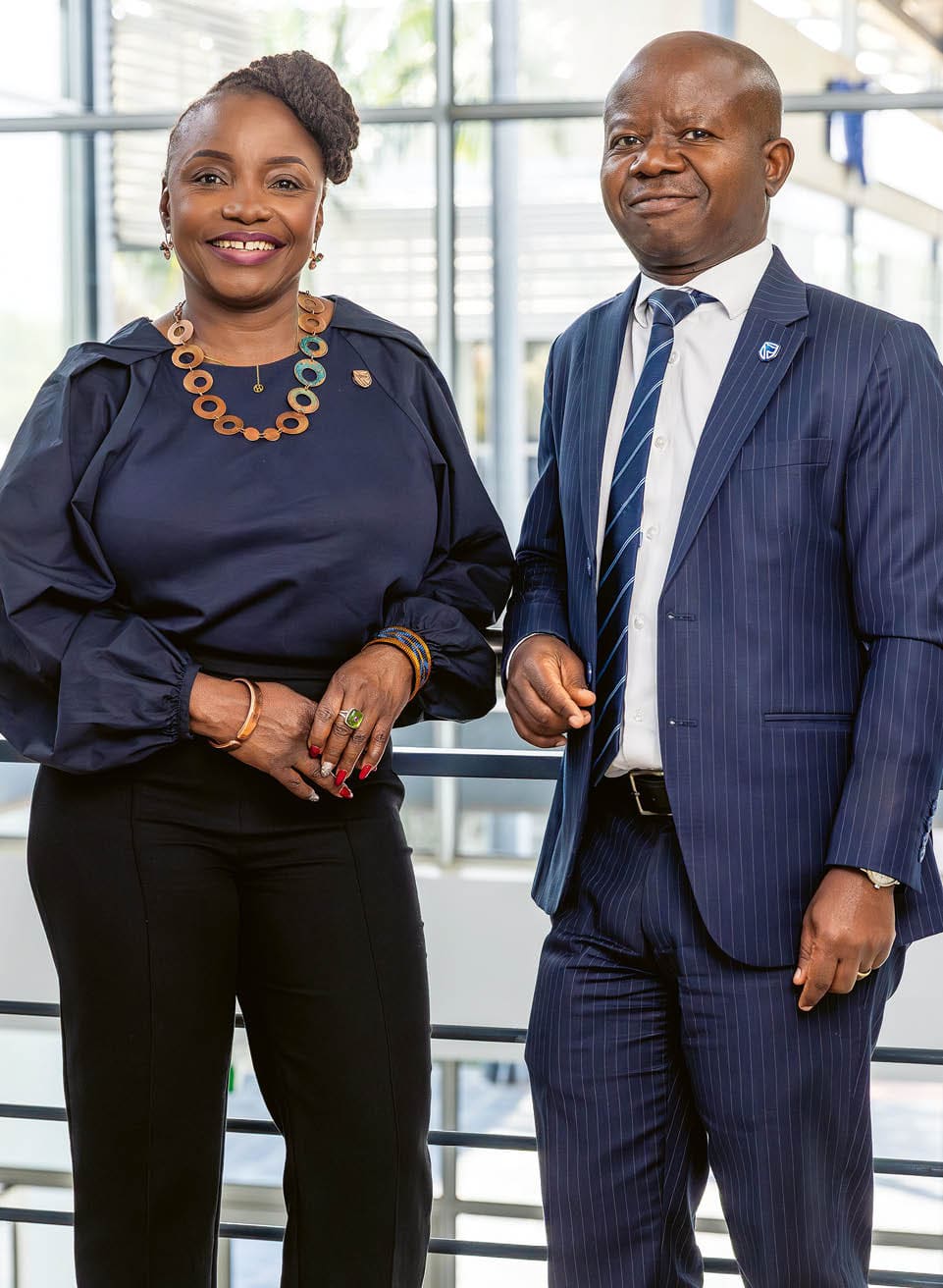
“We had to find a way to support our client, a Zambian power utility, which needed power but didn’t have the financial muscle to pay for it upfront,” says David Chanda, a member of Stanbic Bank Zambia’s Energy & Infrastructure team. “That’s where the real ingenuity came in.”
The structure was simple: GreenCo would import power and supply it to key offtakers. First was a mining house with the financial capacity to pay immediately, and second, the power utility, which would receive power on credit and repay it over two years – not in cash, but in electricity when their generation capacity recovered.
In this way, one utility essentially lent power to the other. This “banking of electrons” created a mechanism that could support financially constrained utilities while maintaining commercial viability for all parties.
Overturning energy market perceptions
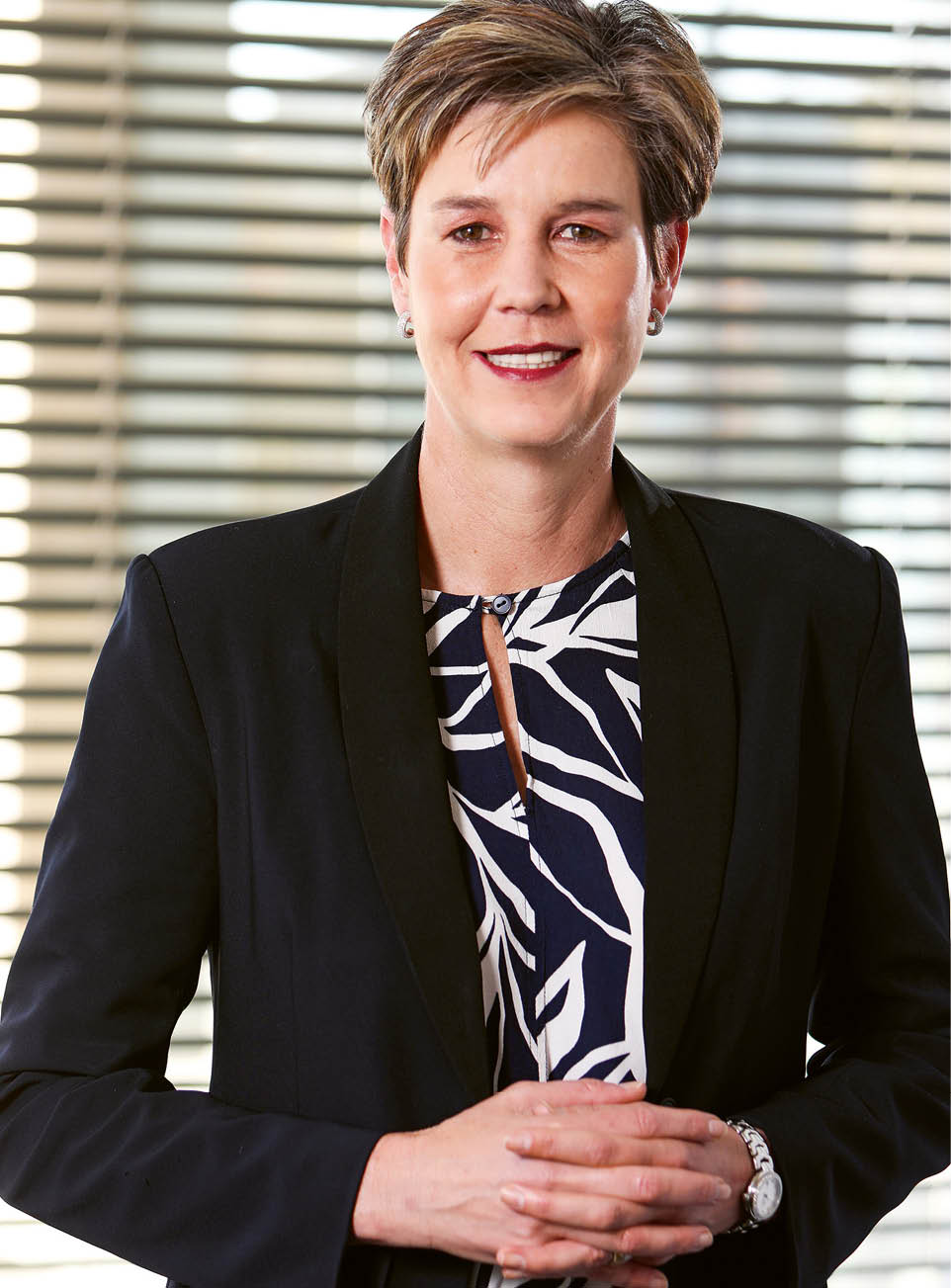
For GreenCo CEO Ana Hajduka, the transaction represented the culmination of years of challenging conventional wisdom about how energy markets should operate in Africa.
“Effectively, what we currently have is a system that brings on new generation by shifting risks from an already heavily indebted utility to a heavily indebted government,” says Hajduka.
“At GreenCo, we truly believe that it’s time for the private sector to take a lead in bringing new generation on board, and for utilities and governments to focus on areas that still need state support, such as distribution, transmission networks, and social priorities, including health and education.”
Women powered the deal
“The transaction was transformative for the power sector in Africa,” notes Rentia van Tonder, Standard Bank’s Head of Power. “It positioned and reconfirmed the bank as the leader in the sector and certainly showcased our capabilities in Zambia.”
The deal team were largely made up of women and included Helen Lubamba, who heads up Corporate and Investment Banking at Stanbic Zambia, Van Tonder, and Sherrill Byrne, Executive in the Energy and Infrastructure Finance team in Johannesburg. On GreenCo’s side, Hajduka led the charge together with Chief Commercial Officer, Cathy Oxby.
Reflecting on the achievement, Lubamba said: “We are proud to be able to support GreenCo in their efforts to address the energy challenges facing Zambia. By providing these prepayment facilities, we are not only supporting critical business ventures but also contributing to the national and regional effort to mitigate the impact of the electricity crisis.”
Byrne, in turn, says the South African team were delighted to support their colleagues in Zambia: “We have been following GreenCo for a number of years and hope that this will be the first of many more transactions in the region.”
Hajduka is more direct when she lists all the factors that were at play. “The bank got its head around this new product, this innovative transaction that brought emergency power to Zambia from South Africa. The trading, banking and unbanking structure was understood. It was a cross-border transaction that GreenCo financed. It involved Zambia’s key mining customer and the benefits are priceless for the wider Zambian electricity system, and other consumers – and it was completed in a very short time.”

Speed under pressure
The very short time is what made the transaction even more remarkable.
From the initial emergency task force meeting in September to having power flow on 1 October, the entire deal was structured and closed within weeks – an extraordinary achievement for such a complex, multi-stakeholder transaction, where the wheels typically take a long time to turn.
The compressed timeline required unprecedented collaboration between Standard Bank CIB’s in-country and regional teams.
“We brought in sector expertise from Group level and worked very closely with GreenCo,” says Chanda. “If it was a different entity, I think it would have been more difficult, but GreenCo aligned with us on the priorities and the importance of the transaction.”
The two partners were also aligned on looking at the transaction through the lens of a regional power pool instead of one of single-country demand. That meant pooling the risks of both supply and demand, and the credit risk of more than one country.
“Standard Bank was the first bank willing to have these conversations before a transaction was even presented to them,” says Hajduka. “That was invaluable because, at the end of the day, we can all have great ideas, but ideas themselves don’t do anything.
“It’s all about execution. And we can’t execute ideas without a bank willing to listen and deliver on that execution.”
Scalable solutions for Africa
The GreenCo model addresses a fundamental challenge across Africa – financially constrained national utilities struggling to procure power – and the transaction’s success has already attracted attention from other markets facing similar challenges.
“Most countries ideally want to be self-sufficient, aiming to expand power supply through self-generation,” explains Van Tonder. “This is not always simple and can take time. In such scenarios, imported power remains a solution. Bankability and payment risk, however, remain considerations. This model will certainly support more countries to follow, while the regulatory environment remains critical.”
An evolving partnership for future projects
Looking ahead, the partnership between the bank and the energy offtaker continues to evolve.
“We have a whole pipeline of projects we are looking at in Zambia, South Africa, Zimbabwe, Namibia and the Democratic Republic of Congo, where we recently were incorporated,” says Hajduka.
GreenCo is the first independent energy buyer and seller to be awarded an export and import licence in South Africa, and holds a domestic trading licence, which allow them to trade power across South Africa and the Southern African Power Pool. They have also signed their first power purchase agreement in the country and are busy concluding several others.
The IJGlobal Market award further validated the transaction’s significance beyond its immediate impact. “It was a great acknowledgment and achievement for GreenCo and Standard Bank CIB, and for the greater power sector in Zambia,” says Van Tonder.
The recognition matters particularly as the deal counters typical narratives about Africa’s capabilities. By demonstrating that innovative, complex financing solutions can be developed and executed rapidly on the continent, the deal showcases Africa’s financial sophistication and problem-solving capacity.
The transaction demonstrates how a crisis can ignite innovation when the right partnerships are formed. By combining GreenCo’s market expertise with Standard Bank CIB’s financing capabilities and regulatory knowledge, it created value for mining companies, national utilities and ordinary citizens alike.
The transaction’s success lies not just in its innovative structure, but in its collaborative approach to problem-solving. As Chanda reflects: “It required a lot of collaboration and definitely some sleepless nights, but at the end of the day, it was teamwork that made it possible.”