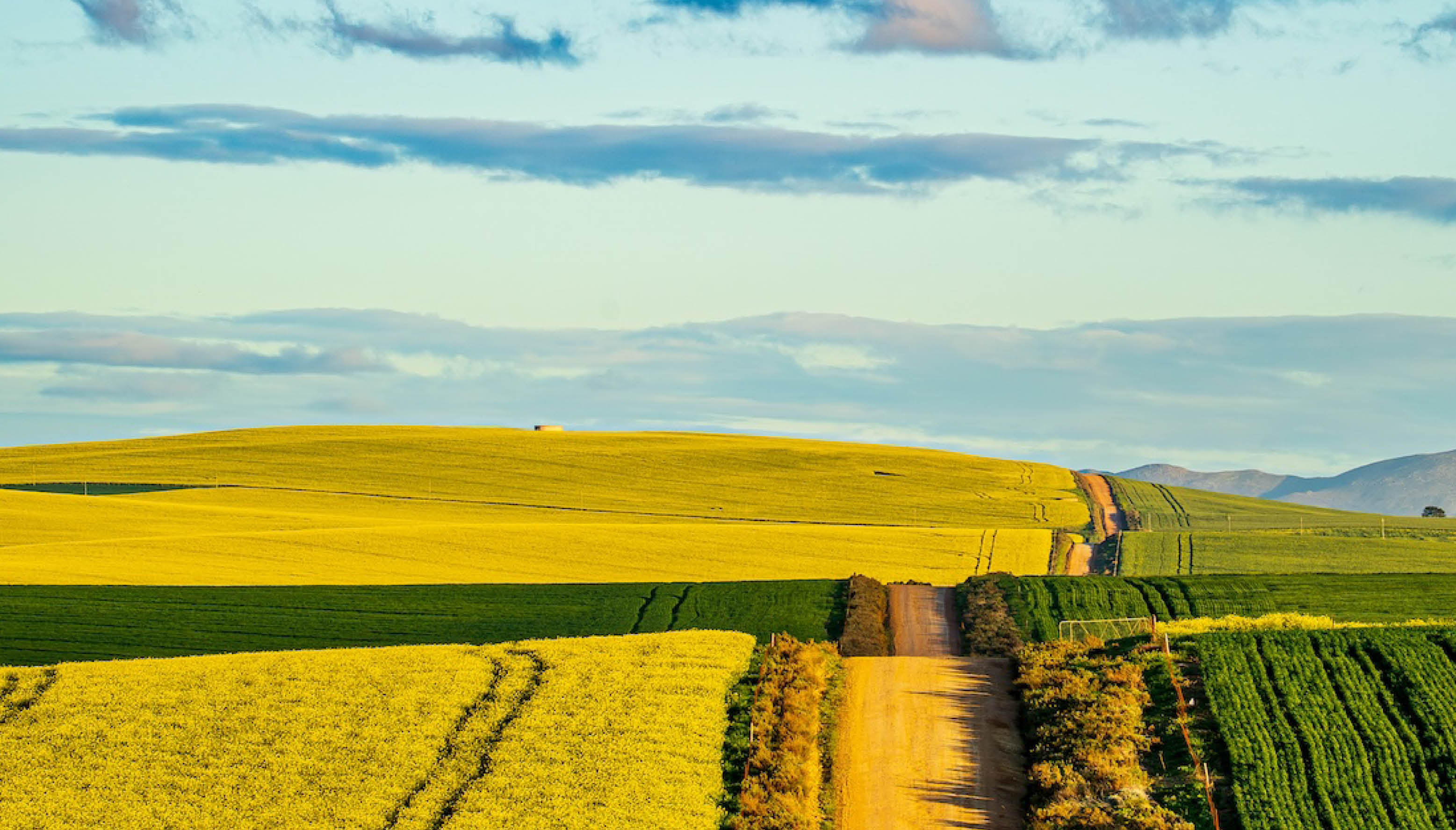
To unlock Africa's agricultural promise, we need bold actions driven by shared responsibility with the global community. The G20 is a fantastic opportunity to build a supportive framework and implement practical policies enabling local solutions.
By Debra Mallowah, board member of CropLife Africa Middle East and Chair of the B20 Task Force for Sustainable Food Systems & Agriculture
READ TIME: 4 MIN

Key takeaways:
1. Bold actions are needed to unlock Africa’s agricultural potential.
2. Strengthening regional and local agrifood supply chains is crucial.
3. Smallholder farmers need access to technology, inputs, and intra-African markets.
Our small-scale farmers are the backbone of local and regional food systems. Yet they are the most vulnerable to the intensifying impacts of climate change.
Despite this, Africa’s food future will be written by them, and our responsibility is to equip them with the right tools, training, and financing.
While Africa is often seen as a vulnerable continent, it holds immense potential: a growing youth, uncultivated agricultural land, community resilience, and an untapped capacity for sustainable transformation.
ENHANCING ACCESS TO TECHNOLOGY AND INPUTS
According to the World Health Organization, hunger is rising across Africa as global hunger declines. The proportion of the population facing hunger surpassed 20% in 2024, affecting 307 million people.
Strengthening agrifood supply chains will therefore be crucial – and it begins at regional and local level. The recommendations of the B20 Sustainable Food Systems & Agriculture task force are clear: invest in regional sourcing and processing of food products, promote transparent governance, and increase participation of smallholder producers and small businesses, including women and youth.
Africa’s youth and women are not just beneficiaries of food systems transformation; they are the implementers. We should invest in them as entrepreneurs, not as bystanders. It’s morally imperative, and scientifically evident, that investing in women, youth, and smallholder farmers yields more equitable growth and greater climate resilience.
Innovative finance models, capacity-building programmes across the value chain, and data systems to track their contribution and progress must be scaled up.
These initiatives will ensure that marginalised groups are not left behind, but become cornerstone contributors to sustainable food systems. The longer-term result will be stronger local economies, healthier food environments, and empowered communities.
The private sector must be a central partner in this, for reasons that go beyond corporate responsibility. In this instance, it’s about fostering sustainable markets, creating jobs, and ensuring food sovereignty.
HELPING FARMERS PRODUCE MORE WITH LESS
With approximately 60% of the world’s uncultivated arable land, Africa has the potential to feed itself and the world. But as a first step, producing more with less is a priority in a bid to improve productivity on already cultivated land.
Innovation is our ally in the fight against hunger and climate change, but also in agricultural productivity. Digital tools and connectivity must be accessible and affordable. However, technology alone is insufficient. We need cross-border cooperation to facilitate its transfer and dissemination.
Incentivising improved inputs through tailored financing and regulatory frameworks is equally essential. We need to foster environments that empower the private sector to introduce suitable tools in the market, and enable smallholder farmers and agribusinesses to adopt innovative solutions.
With these steps, we aim to increase the share of smallholder farmers with access to finance in Africa from 10% to 33%.
Bolstering intra-African food trade
Did you know that most African countries are net food importers? At least 82% of Africa’s basic food is imported.
That’s why trade is a vital link in the chain. When regional and intraregional trade are integrated into long-term strategies, food systems become more resilient to climate shocks and regional conflict.
Strengthening infrastructure, harmonising standards, and reducing tariff and non-tariff barriers are crucial steps. Digital trade tools can further streamline cross-border commerce and reduce delays that jeopardise food availability.
Regional cooperation underpinned by transparent policies and a commitment to sustainable standards can turn trade from a vulnerability into a strength, ensuring food security and economic growth.
With this in mind, we aim to increase intraregional trade as a percentage of Africa’s overall trade from 15% in 2023 to 25% by 2040.
Accelerating innovation in agriculture
Finally, regenerative agricultural practices are vital. Healthy soil, resilient seeds, and empowered farmers all form part of the climate action Africa needs.
Innovation hubs that develop, adapt, and disseminate information and skills, especially in low- and middle-income countries, can drive impact.
Public-private partnerships supported by targeted investment are essential for scaling these solutions and making them practical and profitable for farmers of all sizes.
Implementation is the only currency that counts now. Farmers need results in their fields, not plans and promises on paper.
I see this G20 Summit in South Africa as a unique chance and catalyst for real change. Africa’s journey towards resilient, inclusive, innovative food systems is already underway, and combining global support and local solutions will allow us to accelerate this transformation to unlock the continent’s full potential.
The time has come for bold commitments, strategic investments, and genuine partnerships to turn ambition into action.
This is an opportunity and a responsibility that we cannot afford to miss.
Together, with Africa at the forefront, we can shape a future where food security, climate resilience, and sustainable development go hand in hand.
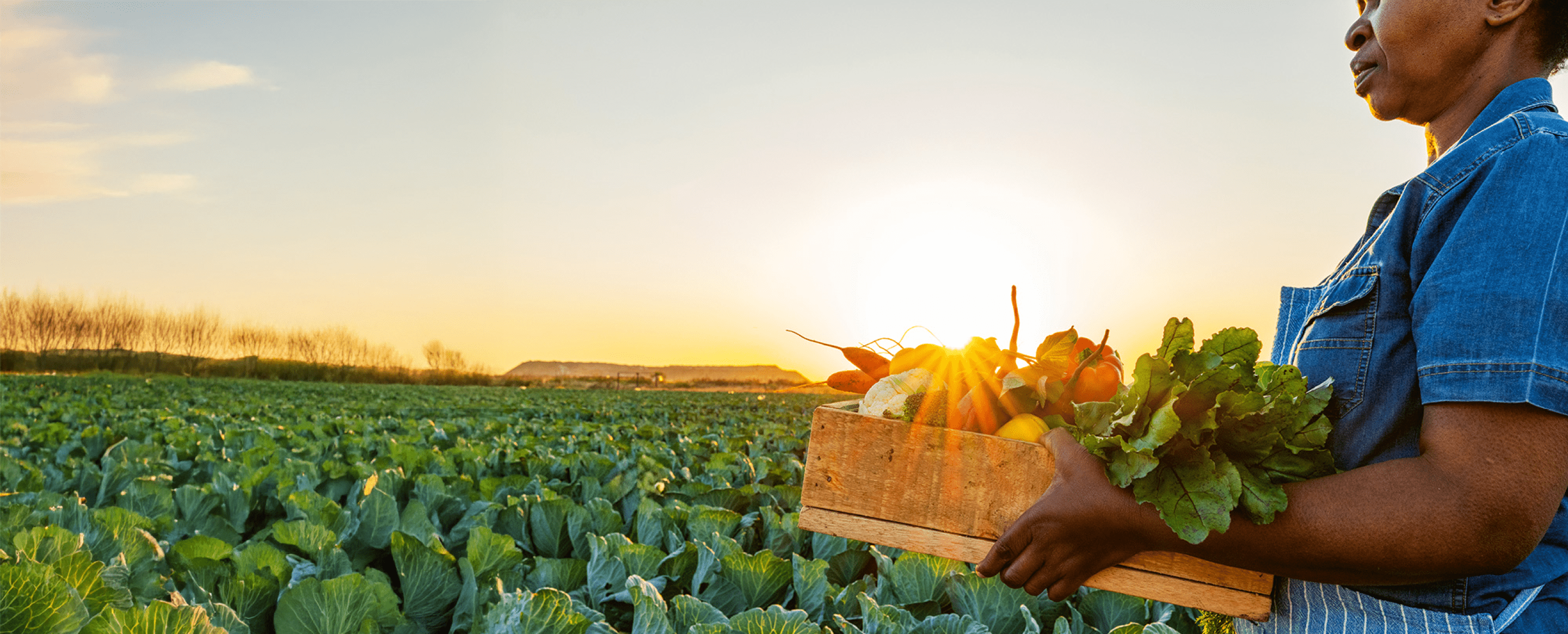
The B20 task force's aim is to increase intraregional trade as a percentage of Africa's overall trade FROM 15% IN 2023 TO 25% BY 2040.