Ghana and Tanzania are two nations on two distinct paths to the same end goal: achieving their economic potential through infrastructure, innovation, and inclusive finance.
READ TIME: 5 MIN

Key takeaways:
1. Ghana and Tanzania are taking different approaches to drive economic growth. Ghana is focused on energy infrastructure, while Tanzania emphasises trade and logistics.
2. Both countries are leveraging public-private partnerships and innovative financing models to fund critical infrastructure projects that are leading to broader economic benefits.
3. Digital transformation and fintech are emerging as important growth areas in both countries.
Across Africa, countries are implementing targeted strategies to transform their economies and improve citizens’ lives. In West Africa, Ghana is using its energy resources to fuel industrial growth. In East Africa, Tanzania is working to grow its economy and enhance living standards.
Although their approaches differ, both countries show how strategic infrastructure investments and innovative financing models can drive prosperity.
For Stanbic Bank, which operates in both markets, their diverse paths represent complementary visions of Africa’s economic future, and an opportunity to deploy capital where it can have the most significant impact.
GHANA: POWERING ITS ECONOMY
“Energy is the backbone of any industry and Africa lags other parts of the world,” says Sydney Nii Ayitey Tetteh, Stanbic Bank Ghana’s Head of Energy and Infrastructure. Sub-Saharan Africa’s total energy capacity, excluding South Africa, stands at roughly 50 000 MW. China developed more than that in a single year in 2021.
An unreliable and insufficient power supply is a fundamental obstacle to reducing poverty, advancing industrialisation, and increasing agricultural mechanisation. Ghana has responded by finding a solution that will support the shift to cleaner energy without compromising the country’s development.
“We need to grow our energy needs responsibly,” Nii Ayitey Tetteh explains. “Africa hasn’t fully industrialised yet, and that means our energy needs and how we meet them will look different from those of developed countries. We’ll have to continue investing in fossil fuels and gas alongside renewables for some time.”
In the last five years, Stanbic has invested more than USD1.1 billion in Ghana’s mining, metals, and energy sectors. Over USD200 million of this funding supports captive power plants that bypass Ghana’s sometimes unreliable national grid and supply power directly to financially stable mining companies.
The impact extends well beyond the mines themselves. Mining contributes over 50% of Ghana’s export earnings and approximately 8% of GDP, making a reliable power supply critical to the nation’s economic stability.
Key takeaways:
1. Ghana and Tanzania are taking different approaches to drive economic growth. Ghana is focused on energy infrastructure, while Tanzania emphasises trade and logistics.
2. Both countries are leveraging public-private partnerships and innovative financing models to fund critical infrastructure projects that are leading to broader economic benefits.
3. Digital transformation and fintech are emerging as important growth areas in both countries.
The annual value of mobile money transactions in sub-Saharan Africa
Ghana’s inflation in September 2025 after an all-time high of 63.1% in March 2001
Source: tradingeconomics.com
“Farms have been set up in protected zones along the pipeline and farmers are supported with seed and expert advice.”
“Even a one-hour disruption means losses of millions of dollars for investors and the government,” says Nii Ayitey Tetteh.
This captive power strategy has set a precedent for growth in the manufacturing sector. By facilitating a direct supply of reliable, affordable power to manufacturing companies, Stanbic is backing Ghana’s import substitution efforts. Through encouraging local production, it creates jobs and alleviates foreign exchange pressure.
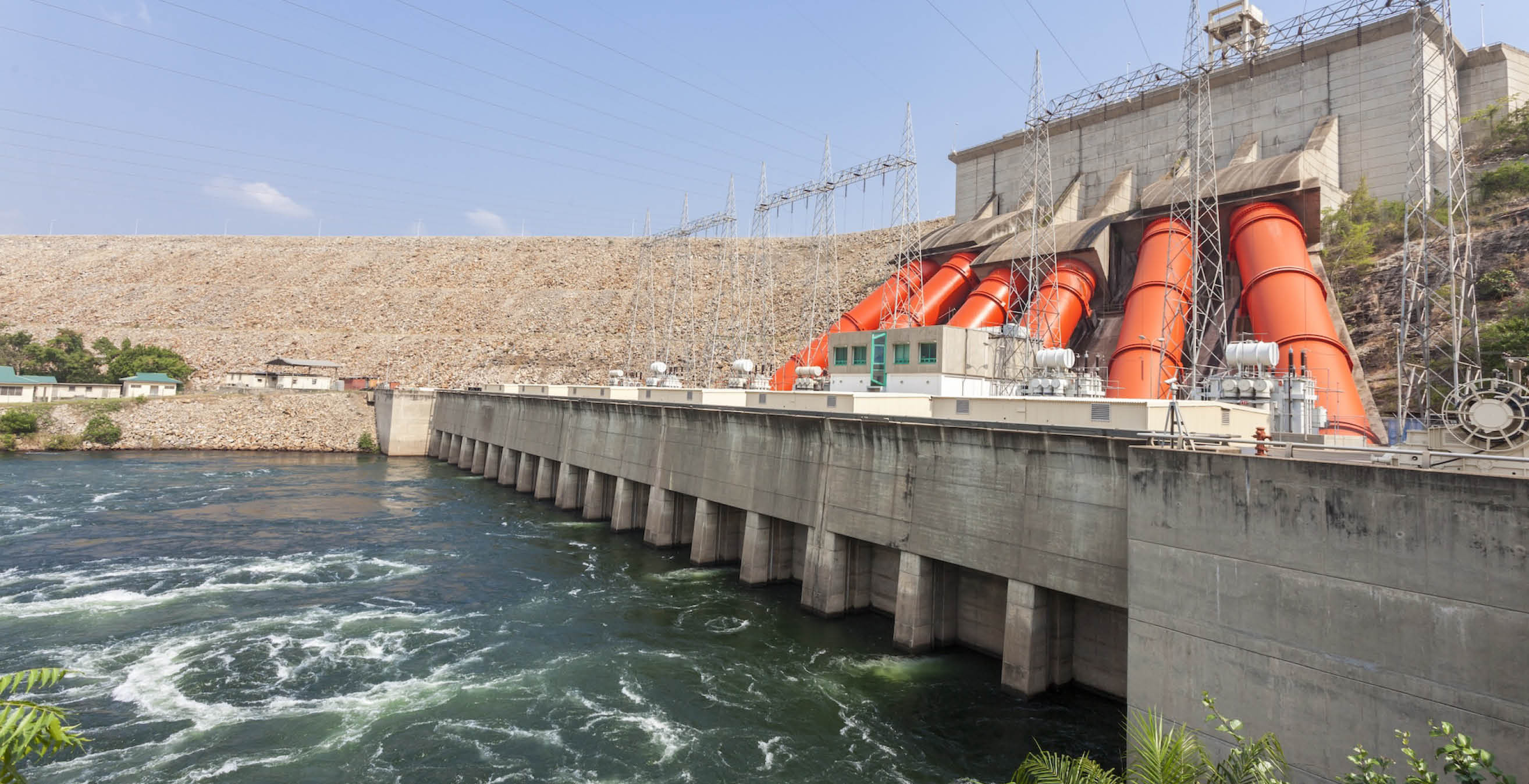
Most notably, Stanbic-financed energy infrastructure has become a key driver of community growth. A 120-kilometre pipeline was purposely routed through areas with manufacturing firms to give them access to cleaner gas instead of diesel.
Farms have also been set up in protected zones along the pipeline and farmers are supported with inputs such as seed and expert advice by the developers, all while protecting the vital infrastructure.
Tanzania: BUILDING THE BRIDGES OF COMMERCE
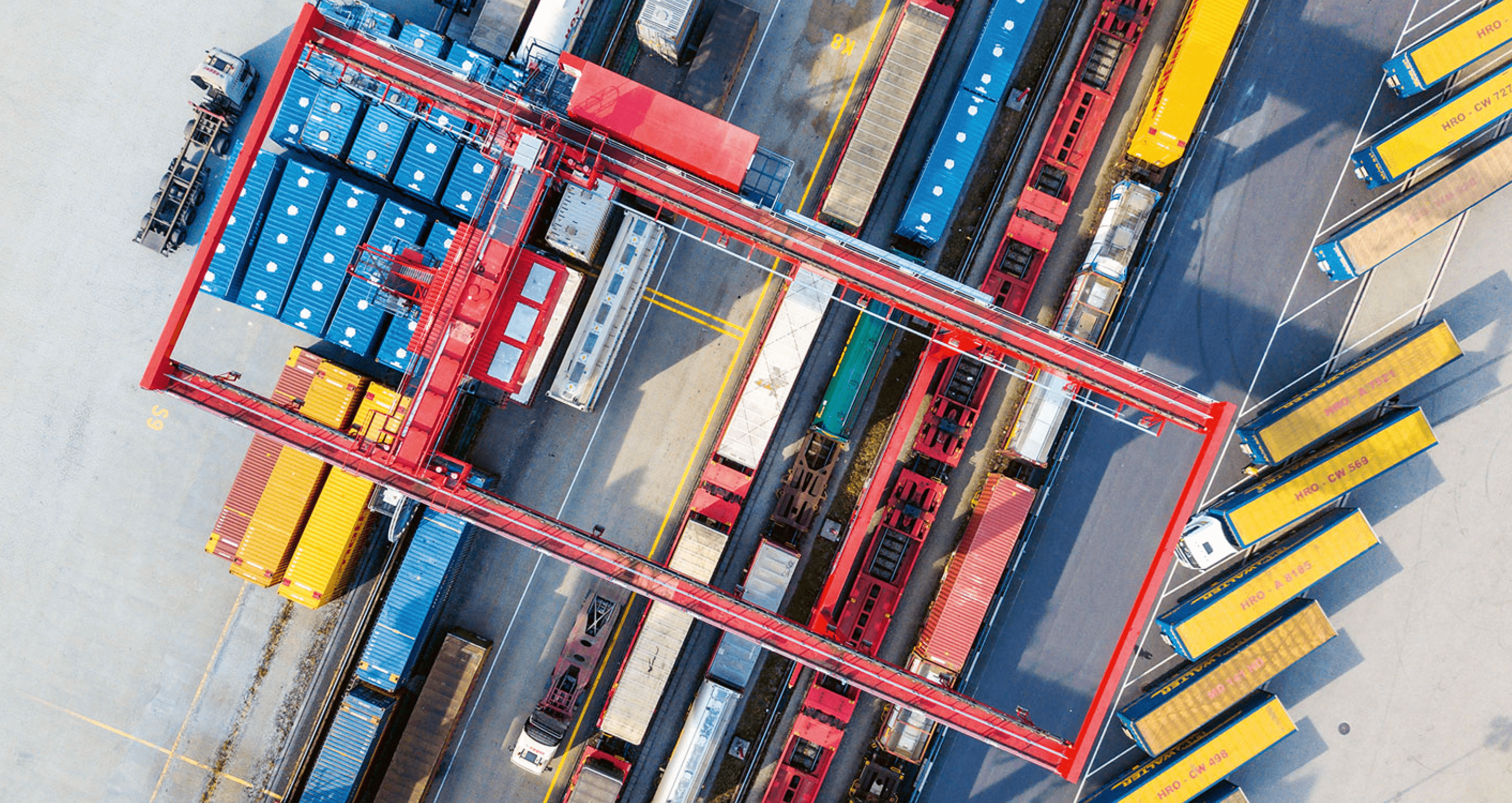
On the other side of Africa, Tanzania is positioning itself as the leading trade and logistics hub for East and Southern Africa. Its strategic location is ideal for serving six landlocked nations, including Rwanda, Burundi, and the Democratic Republic of Congo.
“Tanzania is positioning itself as a regional power exporter and trade hub,” explains Ester Manase, Head: Corporate and Investment Banking, Stanbic Bank Tanzania.
The Standard Gauge Railway (SGR) and the modernisation of the Tanzania-Zambia Railway are centrepieces of this vision, ultimately connecting to the Lobito Corridor to create a Trans-African rail link from Lobito on the Atlantic Ocean in Angola to Dar es Salaam on the Indian Ocean in Tanzania.
The benefits will extend beyond Tanzania by transforming regional value chains and unlocking economic growth across its borders. For example, a 1% increase in Tanzania’s economy could boost the GDP of neighbouring countries by 0.2% to 0.7%, assuming there is sufficient cross-border infrastructure.
Stanbic has mobilised more than USD1 billion in infrastructure, trade and logistics financing in Tanzania in the past two years. The bank is playing a pivotal role in major infrastructure initiatives, from port modernisation to regional power integration, and has been instrumental in structuring complex deals and advising government and private sector entities on project feasibility and risk mitigation.
Like Ghana, energy infrastructure is vital in Tanzania’s growth plan. The Julius Nyerere Hydropower Project increased capacity by 2 115 MW, raising the total installed capacity to 4 031 MW in 2025 – almost twice the previous year’s 2 138 MW.
This surplus positions Tanzania as a regional power exporter, with interconnections to Rwanda, Burundi, Uganda, and Zambia.
Shared challenges, complementary visions in Africa
Although Ghana and Tanzania have different priorities, they face similar challenges and opportunities across multiple sectors.
Digital transformation is changing economies significantly worldwide. In Ghana, mobile money usage exceeds the population, suggesting that many Ghanaians have more than one mobile device. Nii Ayitey Tetteh calls the fintech industry a key area to watch as more young people on the continent rely on mobile money instead of traditional banking.
Tanzania’s digital transformation is advancing rapidly and it stands out as one of the leading global mobile money markets. Sub-Saharan Africa accounts for 74% of all mobile money transactions worldwide, amounting to USD1.1 trillion annually.
Private-public partnerships are essential for both, given their significant fiscal constraints. Ghana, after defaulting on loans and receiving International Monetary Fund support, has limited access to international capital markets.
“The private sector must come in to ensure infrastructure development continues,” says Nii Ayitey Tetteh. Tanzania faces similar financing gaps despite stronger fiscal health.
The Middle East and India feature prominently in both Ghana and Tanzania’s strategies. Ghana exported USD4.93 billion to the United Arab Emirates in 2023 while India accounts for 29.5% of Tanzania’s bilateral trade.
This comparison underlines the fact that there is no one-size-fits-all strategy for Africa’s development. Instead, countries tailor their strategies to their unique strengths, and work with patient capital and banking partners dedicated to Africa’s long-term progress.


WATCH THE BLUE SPACE #3
East Africa has grown into a thriving economic community built on the seamless cross-border movement of goods, people and payments. Kiprono Kittony, Chairman of the Nairobi Securities Exchange, and Patrick Mweheire, then Standard Bank Regional Chief Executive for East Africa, discuss this achievement.